An Innovative Solution to Pond Pollution
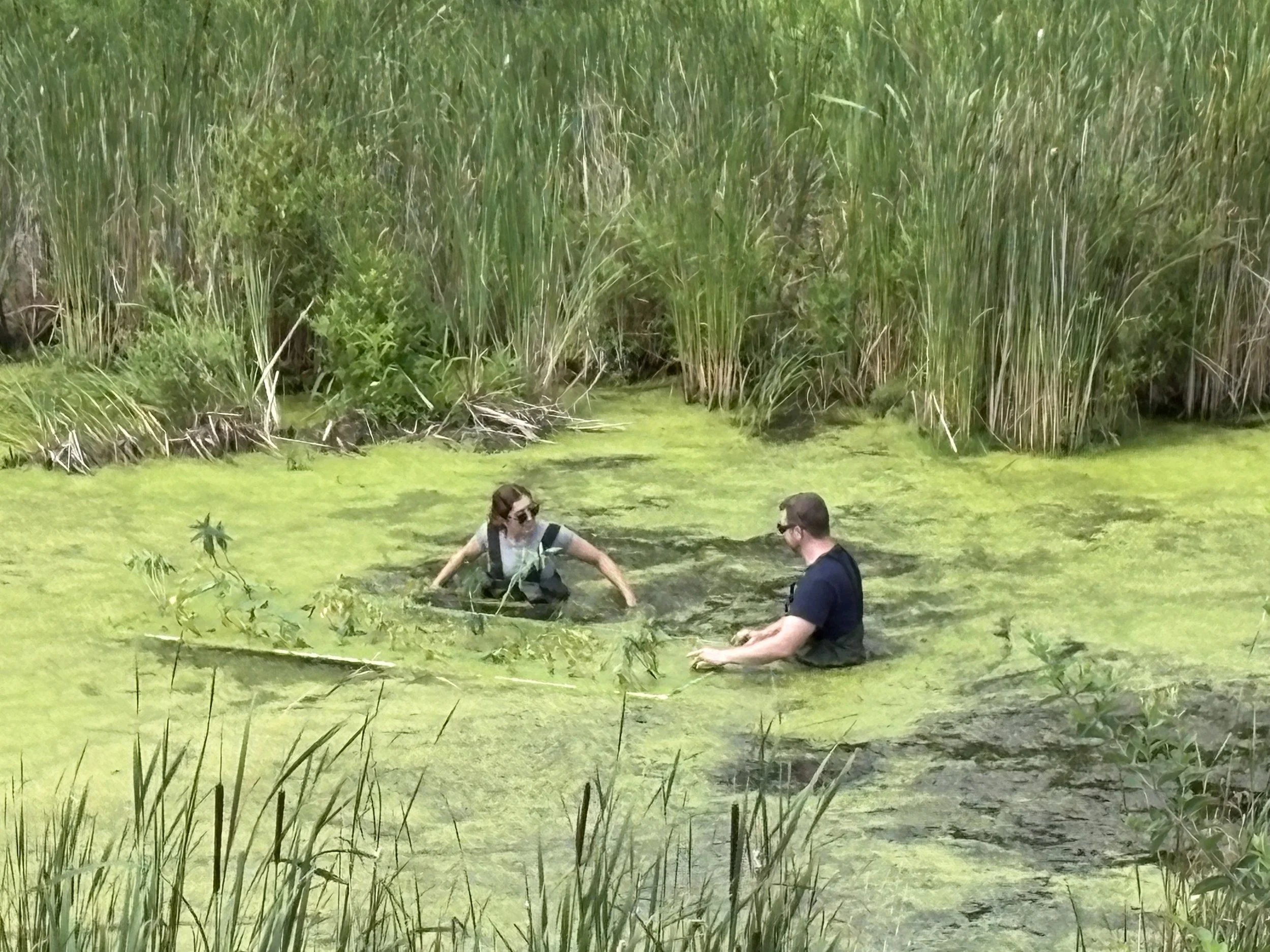
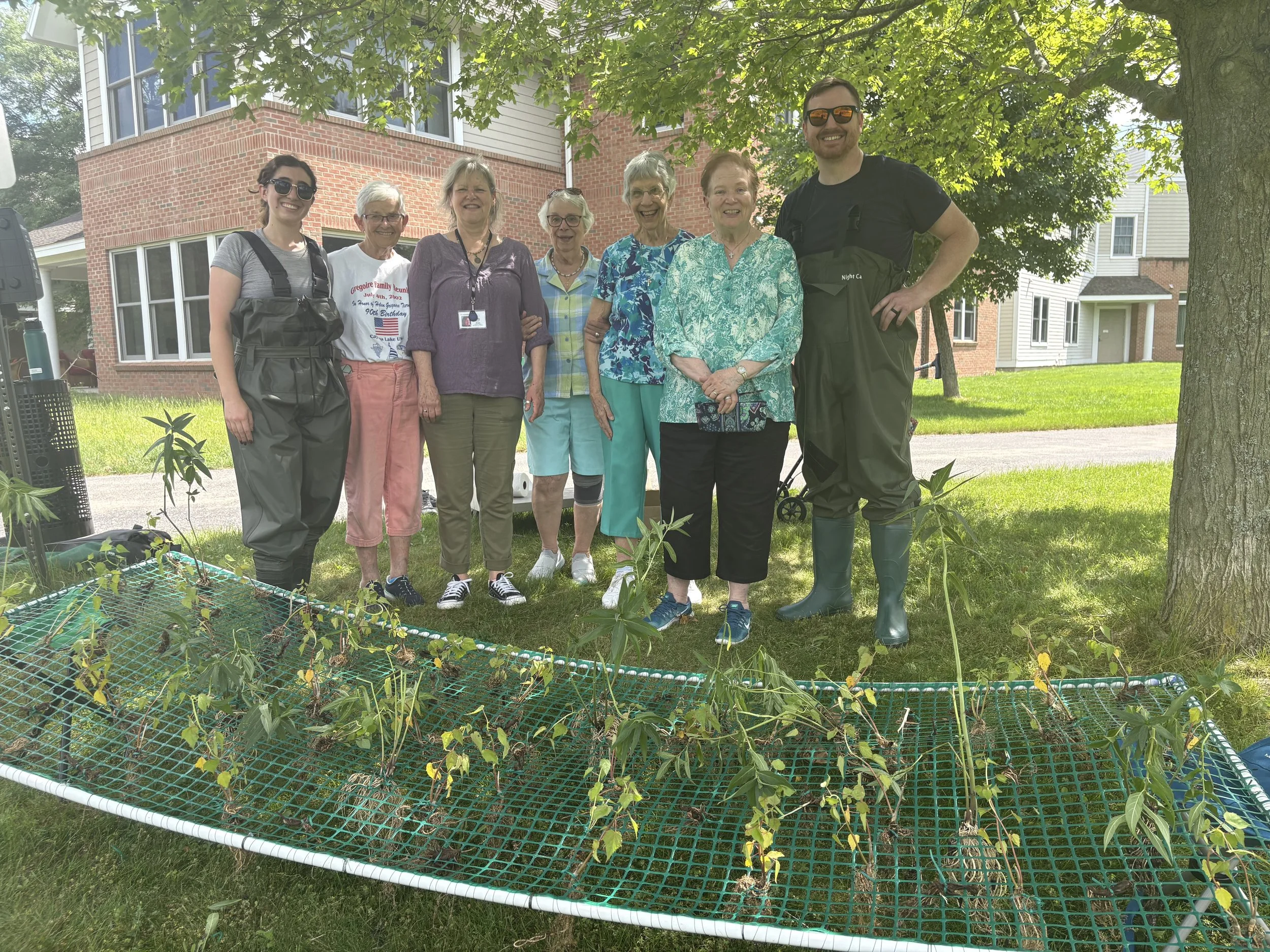
Nazareth University student Rylee Keiffer and Professor Patrick Garrett, Director of Nazareth’s Environmental Science and Sustainability program, installing a floating garden in the pond at 150 French Road to help mitigate the overgrowth of algae
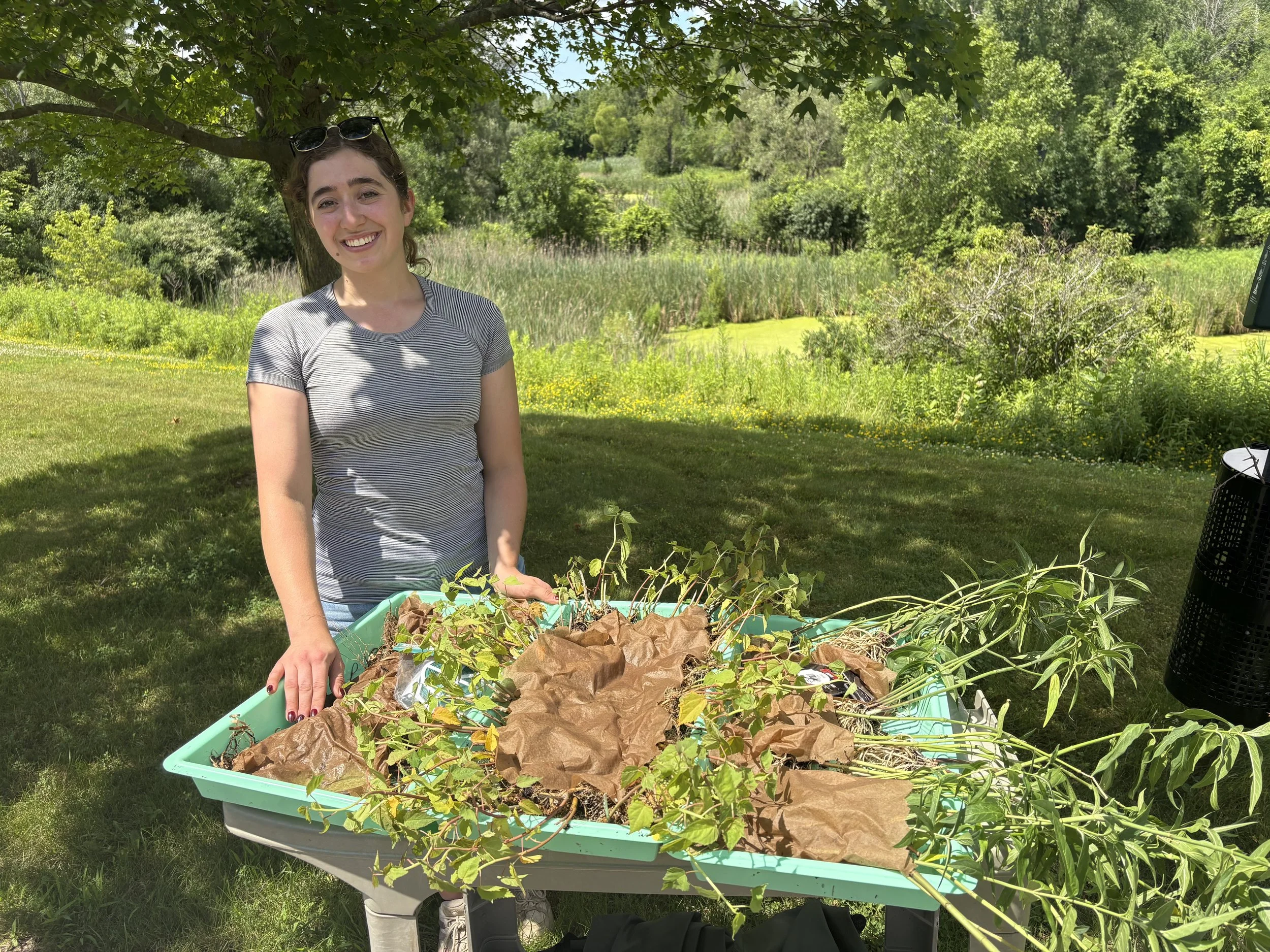
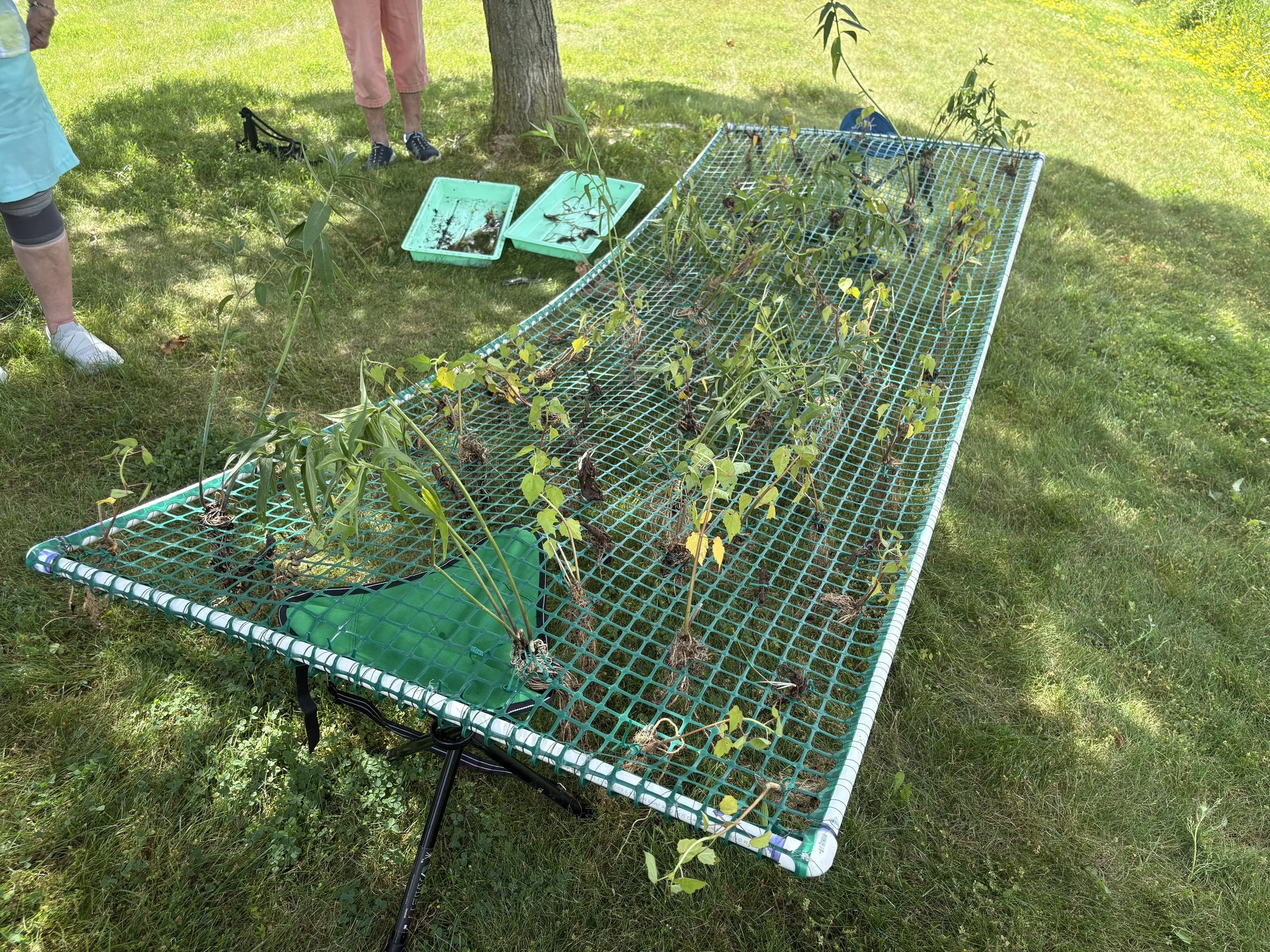
A new floating garden at the Sisters of Saint Joseph is marking the latest step in an ongoing environmental research partnership with Nazareth University. On July 7, Nazareth student Rylee Keiffer and Professor Patrick Garrett, Director of Nazareth’s Environmental Science and Sustainability program, installed the garden in one of the ponds that borders the 150 French Road property where the Motherhouse is located. The structure will help reduce water pollution that has caused an overgrowth of algae in the water.
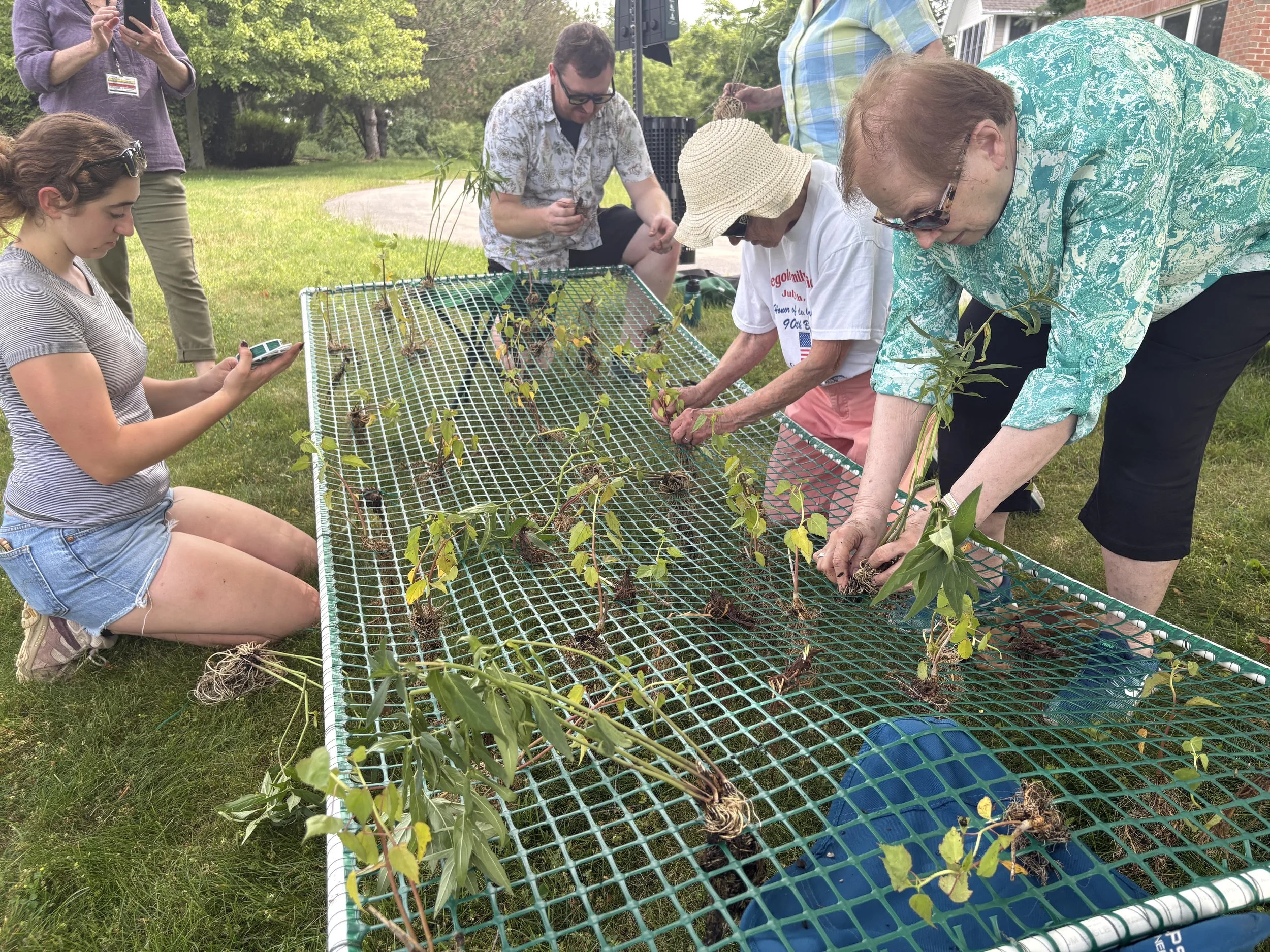
The floating platform was carefully intertwined with native wetland plants that attract pollinators. Keiffer and Garrett explained that as the plants grow, their roots will extend into the water, naturally absorbing excess nutrients while creating habitat for beneficial microorganisms that further improve water quality. They added that the semi-natural water mitigation system is the first of its kind in the area.
“The goal is to catch the excess nutrients before the algae gets it,” said Keiffer. “When a pond becomes ‘eutrophic,’ the rapid growth in algae robs other aquatic species of oxygen, decreasing the overall health and in turn biodiversity of the ecosystem.”
The wetland project is the result of research that began in March 2025 when Holly Rockwell, Director of the SSJ Justice, Peace, and Care for Creation Office, connected with Garrett about collaborating with the University. After discussing various project possibilities, Garrett and his students decided to focus their research on why the algae has overtaken the ponds and how to mitigate it.
By collecting and analyzing water samples from the ponds, the students said their findings revealed elevated levels of nitrogen and phosphorus, nutrients commonly found in lawn fertilizers. Based on the geography of the ponds and the Sisters’ longstanding use of environmentally friendly lawn practices, the students hypothesized that runoff from nearby properties may be contributing to the pollution.
“We’ve watched the ponds change for the past 20 years and haven’t known why,” said Sister Barbara Gulino, who was one of several Sisters who helped prepare the floating wetland with the plants before it was placed in the water.
Keiffer and Garrett said they will monitor the floating wetland over the coming months to measure its impact on the pond’s ecosystem. If the results are positive, they plan to build a second floating wetland. They will connect this device to the existing structure to increase its capacity for filtering excess nutrients. Keiffer and fellow students involved in the project also plan to present their findings at the Annual Meeting of the Ecological Society of America in Salt Lake City, Utah, July 26–31.
“It’s very rare that you get the opportunity to produce real scientific data from your local community and affect change and bring understanding to something,” said Garrett.